By TripCity on 11/9/26, 9:30 AM
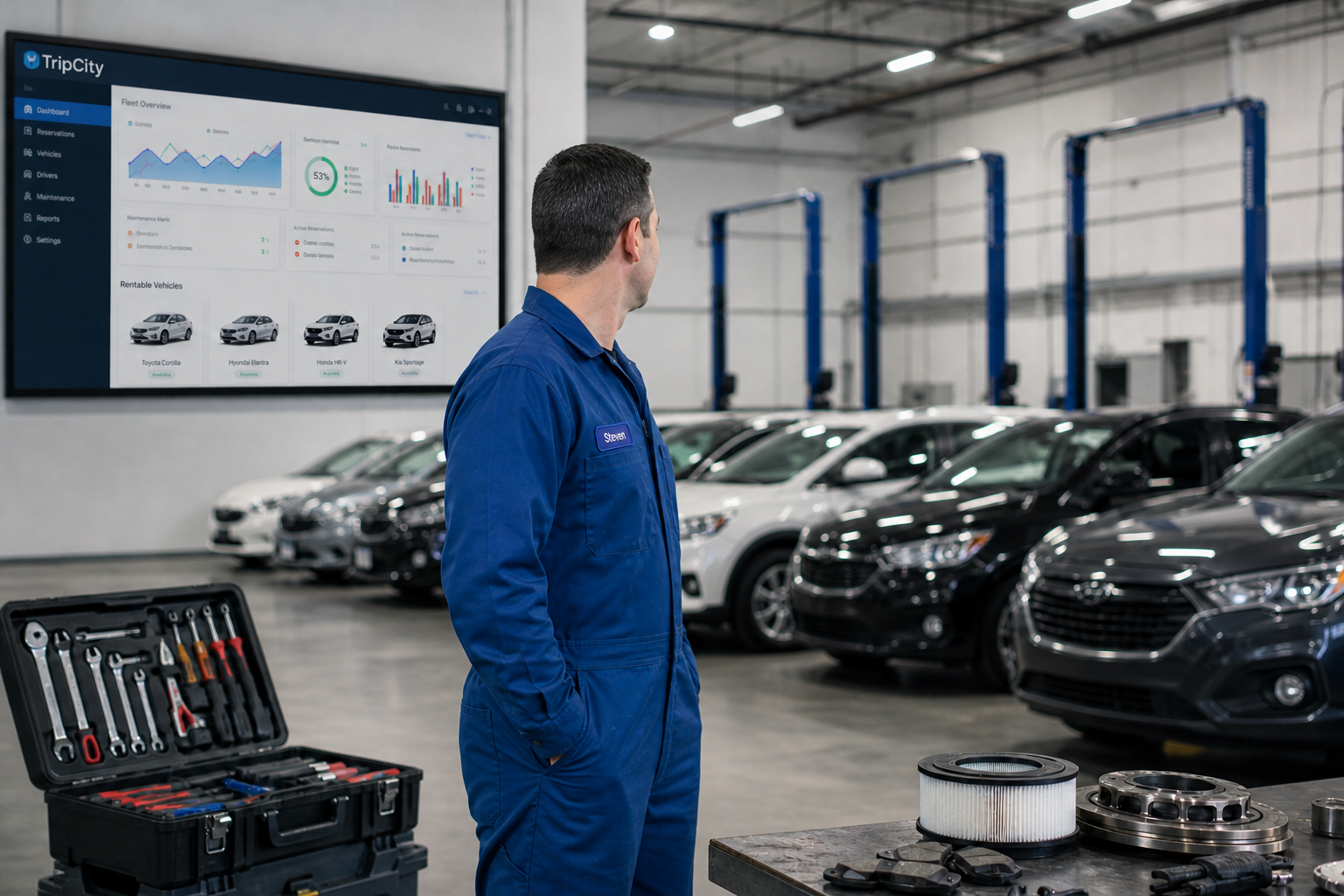
For Steven, building a successful rideshare rental fleet started long before he listed his first vehicle. The Florida fleet owner has spent more than 20 years working around cars, developing the mechanical knowledge, operational instincts, and customer-first mindset that now shape the way he approaches rental fleet management.
What began as a career in dealership service eventually grew into buying and selling vehicles and, later, managing a vehicle rental business of his own. Today, Steven combines hands-on automotive expertise with TripCity’s fleet management platform to organize vehicles, serve rideshare and delivery drivers, manage toll activity, and maintain greater control over his operation.
From Dealership Technician to Independent Fleet Owner
Steven entered the automotive industry at 19 after going to school for automotive repair. He spent years working at dealerships, eventually expanding from hands-on mechanical work into service advising and mechanical claims adjusting. At the same time, his entrepreneurial side was already taking shape.
After work, Steven operated his own mechanical business from rented warehouse space equipped with vehicle lifts. Over time, he shifted from repairing customers’ vehicles to buying cars that needed mechanical work, fixing them, and reselling them. He later obtained a dealer license, giving him another way to source vehicles and build his automotive business.
When car sales slowed, Steven noticed that a friend he had been selling vehicles to was renting them. That observation opened the door to a new opportunity: rideshare vehicle rentals.
He started with one car. From there, the business grew. At different points, Steven helped oversee multiple fleets alongside other operators before branching out on his own. His personal fleet ultimately grew to approximately 35 vehicles, with more than 30 rented at the same time during his strongest periods.
That growth gave Steven firsthand experience with what it takes to manage a rental car fleet at meaningful scale, from vehicle selection and preventive maintenance to customer service and day-to-day fleet operations.
Building a Rideshare Rental Fleet Around Reliability
Steven’s background as a master technician gives him a distinct perspective on fleet ownership. He does not simply think about which cars will rent. He thinks about what they will cost to maintain, how quickly they can be repaired, whether parts are readily available, and how much downtime the vehicle could create.
His operation includes warehouse space, vehicle lifts, and vehicle storage. Because he can perform much of his own mechanical work, he is able to take a hands-on approach to fleet maintenance management and get vehicles back on the road quickly.
That experience also shapes his purchasing strategy. Steven often favors practical, reliable vehicles and likes owning more than one of the same model. Standardizing parts of the fleet helps him become familiar with common maintenance needs and makes it easier to keep vehicles moving.
Among the vehicles in his operation have been Mitsubishi Mirages and Kia Souls. He also sees strong demand for SUVs and believes the right vehicles can remain consistently booked when matched with the right customers.
“I just buy the most affordable car I can and I perfectly maintain it,” Steven says, describing the practical approach behind his fleet.
For Steven, smart rental fleet management comes down to knowing the vehicles, maintaining them carefully, and minimizing downtime as much as possible.
Serving Uber, Lyft, and Delivery Drivers
Many of Steven’s customers use their rentals for Uber, Lyft, Uber Eats, DoorDash, and other gig-economy work. That makes reliability especially important. These drivers may depend on the vehicle to generate income, so time off the road can directly affect their ability to work.
Steven says some of his strongest customer relationships have come from rideshare and delivery drivers because they value dependable transportation and responsive service. He keeps several vehicles available when possible so that if a renter’s car needs maintenance, he can move the customer into another vehicle while repairs are completed.
“I have built great relationships with a bunch of customers,” Steven says.
If a vehicle needs brakes or another repair, his goal is to create as little disruption as possible, sometimes swapping the driver into a different car and returning the original vehicle once the work is complete. That service model has helped him build repeat relationships with customers who understand the value of having a fleet owner who also understands the vehicles inside and out.
Finding More Structure with TripCity
As Steven’s rideshare rental business evolved, the challenge was no longer just sourcing and maintaining cars. A growing vehicle rental business also needs infrastructure behind the fleet: listings, rental activity, vehicle information, incidentals, tolls, and customer support all have to be organized.
Steven found TripCity while searching for another solution for his rental operation. The platform arrived at an important point in his business and gave him a structured way to manage his vehicles while maintaining greater control over how he operates.
“TripCity came in at the nick of time,” Steven says. “I’m very grateful for TripCity.”
For Steven, that combination of structure and independence has been particularly valuable.
“It was a game changer, 100%.”
Simplifying Day-to-Day Rental Fleet Management
Steven primarily works through the TripCity website and appreciates the straightforward organization of the platform. He can add photos, present vehicles to potential renters, and keep important rental information in one place.
“Everything’s nice on the platform,” he says. “I’m able to put my pictures on there. People are able to shop around, see my cars, see what they like.”
TripCity’s own owner resources describe its platform as a place where owners can manage listings, pricing, availability, vehicle use type, and rental operations. The platform also supports owners serving rideshare drivers as well as personal-use renters.
The TripCity Owner’s Guide to Success provides additional guidance for owners setting up and managing vehicles on the platform.
Why Toll Management Matters for a Florida Fleet Owner
For Steven, one operational feature stands out: toll management. With toll roads playing a major role in Florida driving, keeping track of toll activity across a rental fleet can quickly become an administrative burden.
“The tolls, that’s huge for me,” Steven says.
Before having a more structured system, Steven describes managing tolls and collecting related costs as a major day-to-day challenge. TripCity’s toll management capabilities help organize that process as part of the broader rental operation.
Internal link: Learn more about why fleets choose TripCity in Your New Rideshare Rental Partner, including TripCity’s description of its toll management offering for vehicle owners.
More Than Software: Support Behind the Fleet
Steven also considers the people behind the platform an important part of his experience. Running a fleet creates situations where owners and renters may need answers quickly, and Steven values having a team he can reach when questions arise.
“Everybody in TripCity, when I call them, they’re great,” he says. “We work together great.”
For an independent operator, that support complements something Steven says his business needed: greater structure. He brings the vehicles, customer relationships, automotive experience, and maintenance capabilities. TripCity provides a fleet management platform that helps organize the rental side of the operation.
The Operational Discipline Behind a Sustainable Vehicle Rental Business
Steven is realistic about what fleet ownership involves. Vehicles need preventive maintenance. Customers need support. Tolls and incidentals have to be tracked. Insurance and vehicle replacement costs matter. And every vehicle sitting idle represents an asset that is not generating rental revenue.
His approach is built around preparation. He standardizes vehicles where practical, sources parts strategically, maintains cars carefully, and uses his mechanical experience to minimize downtime. He also keeps replacement vehicles available when possible so dependable customers can remain on the road.
For owners researching how to manage a rental car fleet, Steven’s story is a reminder that successful growth requires both customer demand and strong operations behind the scenes.
The U.S. Small Business Administration also provides general guidance on business planning, structure, finances, and risk management considerations that can help entrepreneurs think through the fundamentals of starting and operating a business.
Because Steven’s business also serves rideshare drivers, prospective operators should understand that platform requirements can vary by service and location. Uber maintains its own current vehicle and driver requirements, which operators and drivers can review directly when determining whether a car meets applicable requirements.
Advice for Fleet Owners Who Want to Grow
Steven’s experience has taught him that growing a rideshare rental fleet requires much more than acquiring additional cars. Owners need to understand their business structure, insurance needs, vehicle economics, maintenance capacity, and the responsibility that comes with putting multiple vehicles on the road.
He recommends that new operators approach growth thoughtfully and make sure they understand the business and insurance structure around their fleet. In his own operation, decades of automotive knowledge give him the ability to diagnose problems quickly, replace major components when necessary, and make informed decisions about the vehicles he buys.
That depth of experience is a big part of why Steven can envision scaling again as the right conditions and customer base allow.
Explore TripCity for Fleet Owners
Still Excited About What Comes Next
Despite the complexities of fleet ownership, Steven’s enthusiasm for the business is unmistakable. He enjoys finding vehicles, preparing them for rental, photographing them, maintaining them, and matching them with customers who need dependable transportation.
“I enjoy the whole process. I really like it.”
He can envision a larger operation with additional SUVs, vans, and other vehicles selected around renter demand. After more than two decades in the automotive world, Steven understands the mechanical side of fleet ownership at a level few operators do. TripCity gives him added structure for managing the rental side of that business.
For Steven, smarter rideshare rental fleet management is not simply about having more cars. It is about having reliable vehicles, repeatable processes, strong customer relationships, and the right infrastructure behind the fleet.
And with the experience he has built over more than 20 years, Steven is still excited about where that road can lead.
Ready to take more control of your rental fleet? Learn how TripCity helps independent fleet owners organize vehicles, simplify rental fleet management, and serve rideshare and delivery drivers with a platform built for owner-operators.